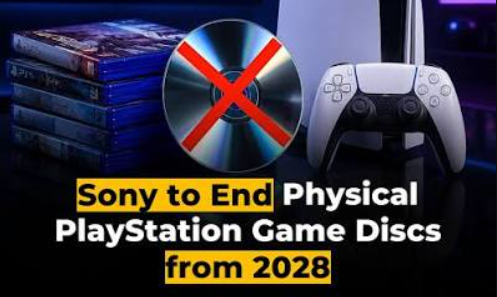
The video game industry is standing at the precipice of its most significant shift since the jump from cartridges to optical media. Sony has officially announced that PlayStation will cease the production of physical game discs for all new releases starting January 1, 2028. This marks a definitive transition toward a digital-first ecosystem, signaling the eventual end of the physical game shelf for PlayStation enthusiasts.
The Digital Shift: What Is Changing?
According to the official announcement, the January 2028 cutoff serves as a hard line for new software. Any game scheduled for release on or after this date will be available exclusively through digital channels. This means consumers will primarily acquire new titles through the PlayStation Store or by purchasing digital license codes from authorized retail partners.
It is important to note that this change specifically targets new releases. Sony has clarified that the transition will not immediately render existing collections obsolete. The policy highlights several key boundaries:
- Existing Physical Libraries: Games released on disc before January 2028 will remain in circulation and continue to be playable on hardware equipped with disc drives.
- Backwards Compatibility: There is currently no indication that this change affects the ability of disc-based consoles to read older media.
- Retail Presence: Physical stores like GameStop or Best Buy will transition toward selling digital vouchers and PlayStation credit rather than shrink-wrapped plastic cases for new titles.
Why Now? The Economics of Digital Distribution
The move away from physical media has been building for over a decade. The launch of the PlayStation 5 Digital Edition in 2020 was a clear signal of intent, offering a lower entry price for users willing to forgo the disc drive. Industry data has consistently shown a year-over-year increase in digital software attachments, with many AAA titles now seeing over 80% of their total sales coming from digital storefronts.
By eliminating physical discs, Sony stands to significantly reduce supply chain costs, including manufacturing, regional distribution, and the logistics of physical returns. Furthermore, a digital-only marketplace allows for more direct control over pricing and the elimination of the secondary (used) game market for 2028 titles and beyond.
Impact on Collectors and Preservation
For many gamers, the appeal of PlayStation has long been tied to the tangible nature of a collection. The "blue cases" have become a staple of gaming culture. The move to digital-only raises valid concerns regarding long-term game preservation and ownership rights.
When you purchase a digital game, you are technically purchasing a license to access the content rather than owning a physical object. This has led to discussions regarding what happens if a service goes offline or if a user’s account is compromised. While Sony has maintained robust digital infrastructure, the psychological shift from owning a disc to managing a library of licenses is a hurdle many fans are still processing.
Preparing for the 2028 Transition
With the 2028 deadline set, the next few years will likely serve as a transition period. We can expect to see hardware revisions that lean even more heavily into modular or non-existent disc drives. For fans who value physical media, the next two years represent the final window to build a physical library of upcoming blockbuster titles.
As we approach January 2028, the conversation will likely shift toward internet infrastructure. Digital-only gaming requires reliable, high-speed broadband to download increasingly large file sizes. Whether global infrastructure is ready for a 100% digital PlayStation remains to be seen, but the clock is officially ticking.