Unreal Engine 6 (UE6) Countdown
EstimatedExpected 2029
Release milestones
- Early AccessQ4 2027Countdown pending
- Unreal Engine 6 (UE6)You are here2029Countdown pending
Details
- Brand / Manufacturer
- Epic Games
- Product type
- Game Engine
- Model
- Unreal Engine 6
- Key specifications
- Unifies UE5 and UEFN into a single engine; features the Scene Graph gameplay framework built on Verse programming language, distributed software transactional memory, open standards for cross-game asset portability, and MCP protocol integration for AI models.
- Region Availability
- Global
Release information
Epic Games targets an Early Access launch near the end of 2027, with the full public release projected to arrive between late 2028 and mid-2029.
Unreal Engine 6 represents a structural architectural shift aimed at how developers build, scale, and maintain online experiences. Merging traditional engine pipelines with live-service creator tooling, the platform shifts priority toward distributed networking, simplified backend state management, and asset interoperability.
What we know
First teased at the Rocket League Championship Series in Paris, Unreal Engine 6 was introduced with a preview displaying a Verse URL string. Epic Games subsequently outlined its architectural vision during Unreal Fest Chicago and State of Unreal 2026. Marcus Wassmer, development team lead at Epic Games, explained that prior engine generations focused on graphics, whereas this release targets shipping and operational workflows.
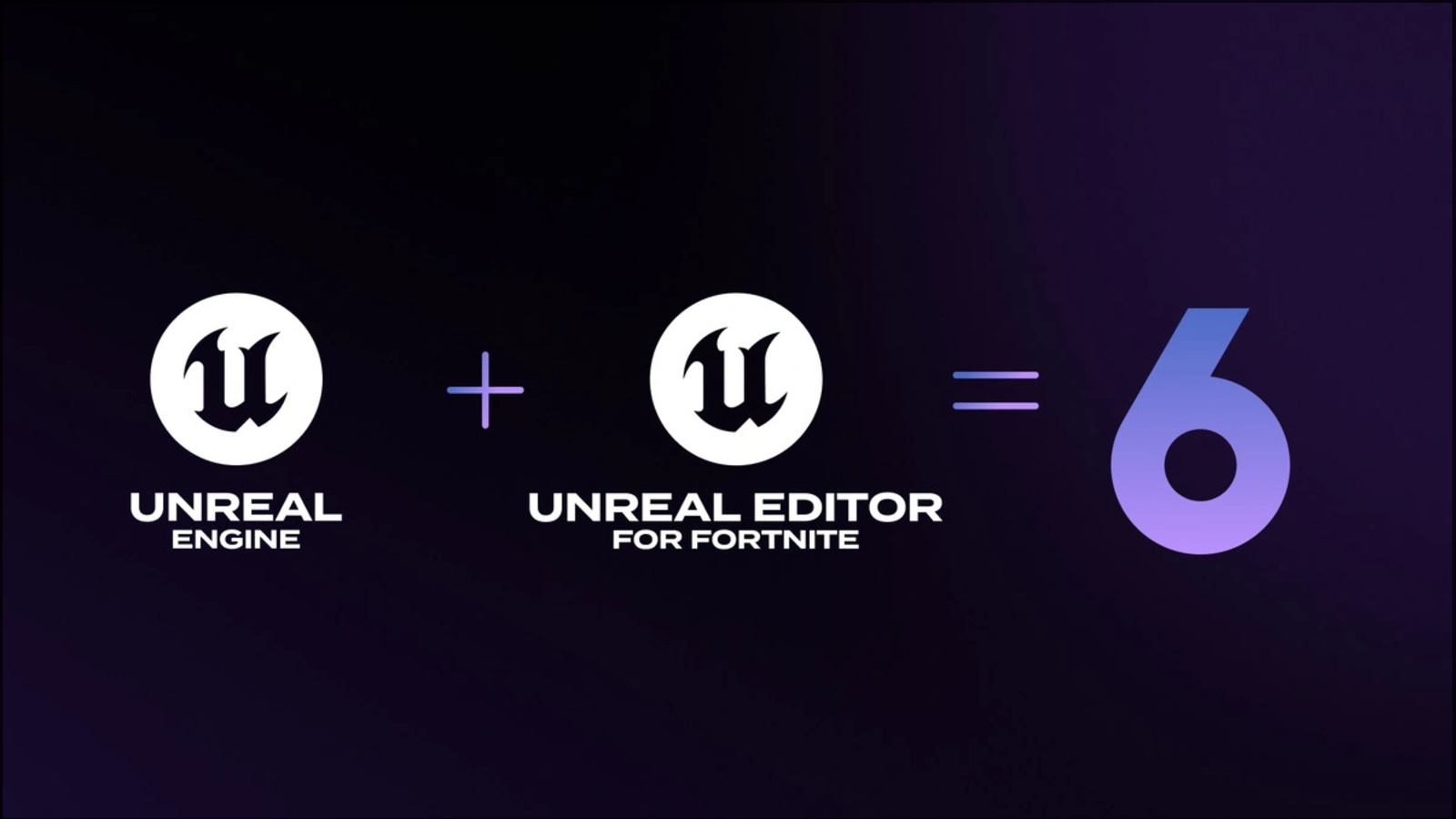
Current development forces creators to select between standalone titles in UE5 or live creator experiences in Unreal Editor for Fortnite. The unified environment aims to allow developers to construct a project once and deploy across PC, console, mobile stores, and live connected ecosystems.
Architecture and memory model
The platform relies on Scene Graph, a high-level gameplay framework created around the Verse programming language. Verse uses a software transactional memory model where functions run as atomic transactions capable of rolling back and resimulating when necessary. The runtime initially executes on a single thread while calling C++ code compiled through a custom LLVM builder.
Epic Games is extending this architecture into a distributed memory system that automatically manages server clusters. If a cluster node requires an object, the runtime rolls back the transaction, migrates the asset, and resumes execution. This structure simplifies persistent player data storage by eliminating the need for external database schemas.
Asset portability and pipeline tools
Cross-game compatibility relies on open standards like glTF and USD alongside custom open specifications with Verse APIs. Fortnite outfits are being converted into an open engine module to test smart assets containing portable logic across titles. This model allows developers to incorporate external cosmetics or create interoperable content across interconnected economies.
Development pipeline features introduce integrations for external artificial intelligence models like Claude, Gemini, and Codex through the Model Context Protocol. Epic is pairing these options with the Epic Developer Assistant as a default turnkey tool. Version control and storage management are supported through Lore, an open-sourced system built for source and asset logic.
Transition and roadmap updates
Epic Games initially communicated that legacy workflows like Blueprints, Actors, and the C++ gameplay framework would remain supported during early builds to ease migration. Conversion utilities were planned to assist developers with shifting established codebases to the new Scene Graph framework before eventual deprecation.
Subsequent presentations at Unreal Fest Shanghai and Unreal Fest Tokyo showed updated roadmap slides indicating Blueprints, Actors, and the C++ gameplay framework may be removed from the initial release rather than phased out over time. Epic Games CEO Tim Sweeney clarified that low-level C++ will continue powering engine systems such as rendering and physics.
Frequently asked questions
- When does Unreal Engine 6 (UE6) release?
- Unreal Engine 6 (UE6) is expected in 2029, but an exact date has not been confirmed.
- Will low-level C++ still be used in Unreal Engine 6?
- Yes. Low-level C++ remains active for core engine systems such as physics and rendering, even as high-level gameplay framework code moves to Verse.
- What is Lore in relation to Unreal Engine 6?
- Lore is an open-sourced version control and storage system introduced to handle asset logic and source file storage across development teams.
- How does state persistence work under the new framework?
- The Verse runtime automatically synchronizes and saves global program states across server instances, allowing developers to manage player save data directly in code without coordinating separate external database schemas.
Last updated: 11/14/2026