Unreal Engine 6 (UE6) Early Access Countdown
EstimatedExpected Q4 2027
Release milestones
- Early AccessYou are hereQ4 2027Countdown pending
- Unreal Engine 6 (UE6)2029Countdown pending
Details
- Brand / Manufacturer
- Epic Games
- Product type
- Game Engine
- Model
- Unreal Engine 6
- Key specifications
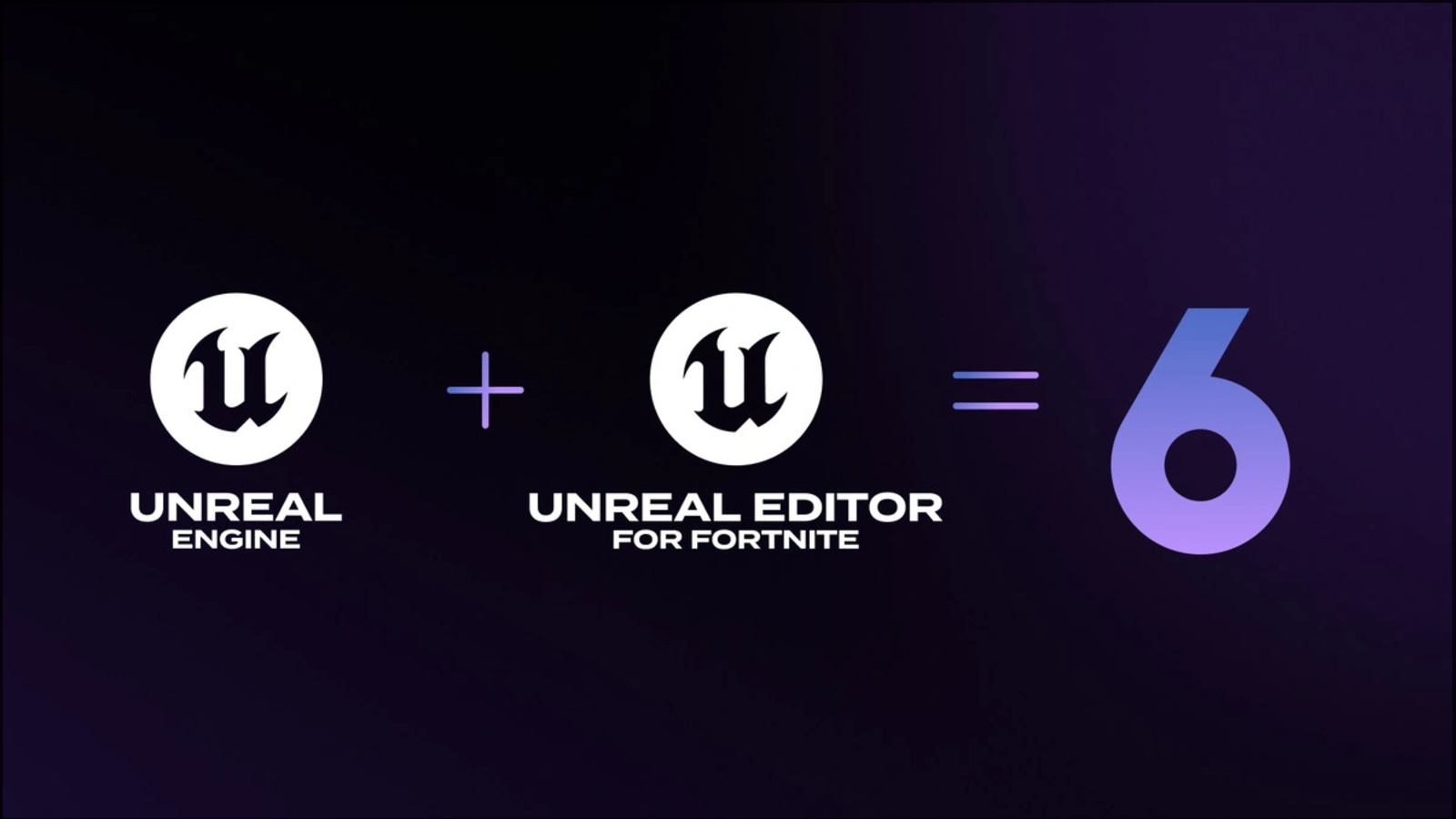
- Unifies UE5 and Unreal Editor for Fortnite (UEFN) into a single engine featuring a Verse-based Scene Graph framework, distributed software transactional memory, open standards for cross-game asset portability, and MCP integration for AI models.
- Region Availability
- Global
Release information
Epic Games plans an initial Early Access rollout intended for developer testing and feedback. The full production-ready commercial release (version 6.0) is targeted for 12 to 18 months after Early Access, with internal Epic Games titles shipping on the platform prior to the general 6.0 launch.
Epic Games is overhauling its core engine strategy by merging its primary standalone engine track with the creation toolset used inside Fortnite. Revealed during Unreal Fest Chicago after a public teaser at the Rocket League Championship Series, this strategic shift aims to change how studios build and manage massive live-service titles.
The platform moves away from traditional single-server memory paradigms and legacy scripting systems toward a unified live environment. By focusing on multi-server scaling, modular content sharing, and native artificial intelligence integration, the release seeks to lower manual production overhead while expanding cross-game interoperability.
What we know
Epic Games outlined its major engine roadmap at Unreal Fest Chicago following an initial teaser shown during the Rocket League Championship Series. Development team lead Marcus Wassmer explained that the upcoming release marks a strategic pivot toward changing how interactive titles are shipped and operated over long life cycles.
Instead of focusing purely on incremental graphics upgrades or render pipeline changes, the platform unifies standalone high-end project creation with live online environment systems. The initiative combines parallel development tracks into a single unified environment designed to support large scale persistent multiplayer experiences.
Architecture and Verse framework
The core architecture introduces Scene Graph, a next generation gameplay framework built from scratch using the Verse programming language. Verse utilizes a software transactional memory model where function calls execute as atomic transactions, enabling automatic rollbacks and resimulation whenever state conflicts occur during execution.
To maintain compatibility with established C++ codebases, a custom LLVM compiler automatically transactionalizes C++ calls within the Verse runtime. Early prototype work focuses on distributing this workload across server clusters without requiring developers to write custom networking scripts for spatial server allocation.
This persistent memory structure also simplifies persistent player data management. Developers can define global maps to handle player save data automatically across active instances, removing the need to manage custom backend databases or schema synchronization layers.
Open standards and content portability
The platform places heavy emphasis on content portability by supporting open standards for assets, code, and shared economies across different engines and titles. Standard file formats like glTF and USD serve as first class formats directly inside the core editor.
For systems where universal standards do not currently exist, Epic Games plans to publish open engine specifications backed by Verse APIs. The first real-world test of this interoperability involves modular Fortnite cosmetic systems, allowing developers to create shared character outfits that function across separate titles.
Artificial intelligence integrations
To accelerate editor workflows, the platform exposes internal engine capabilities through Model Context Protocol interfaces. Developers can integrate leading third-party artificial intelligence models, such as Claude, Gemini, or Codex, alongside the optional Epic Developer Assistant turnkey solution.
These integrations focus on eliminating repetitive manual tasks including skinning bone weights, setting up character rigs, adjusting particle effects, and configuring lighting setups. Internal development teams have also deployed automated analysis tools for crash root-cause identification and rapid codebase indexing.
Migration timeline and roadmap
Epic Games plans for version 5.8 to serve as the final planned release of the Unreal Engine 5 cycle, though version 5.9 remains a contingency option if necessary. Internal studios plan to release full games on the new platform prior to public release to test stability at scale.
To prevent disruption for active development studios, legacy frameworks such as Actors and Blueprints will remain fully functional during early test phases. Automated migration tools will eventually be provided to help developers transition older projects once the new framework reaches full maturity.
Following the initial Early Access period, the full production-ready 6.0 update is expected to arrive approximately 12 to 18 months later. That extended timeline places the final production build release window between late 2028 and mid 2029.
Frequently asked questions
- When does Unreal Engine 6 (UE6) Early Access release?
- Unreal Engine 6 (UE6) Early Access is expected in Q4 2027, but an exact date has not been confirmed.
- Will Unreal Engine 5 receive further updates before the new engine launches?
- Yes, Epic Games has slated version 5.8 as the final planned update for Unreal Engine 5. However, the development team has stated that a version 5.9 update remains possible if additional bug fixes or stability changes are required.
- What happens to existing Blueprints and Actors when upgrading?
- Legacy frameworks like Actors and Visual Blueprints will still function during early pre-release builds so existing projects do not break immediately. Automated migration tools will eventually be provided to help developers convert legacy content before those features are fully deprecated.
- When is the full production-ready version expected to launch?
- The production-ready release, known as version 6.0, is expected to arrive approximately 12 to 18 months after the initial Early Access phase. This places the targeted release window for the full commercial build between late 2028 and mid 2029, assuming no major development delays occur.
Last updated: 11/14/2026