Halloween Countdown
Sun, October 31, 2027 at 12:00 AM CDTRepeats yearly
Details
- Country / Region
- United States, Canada, Ireland, United Kingdom
- Type
- Observance
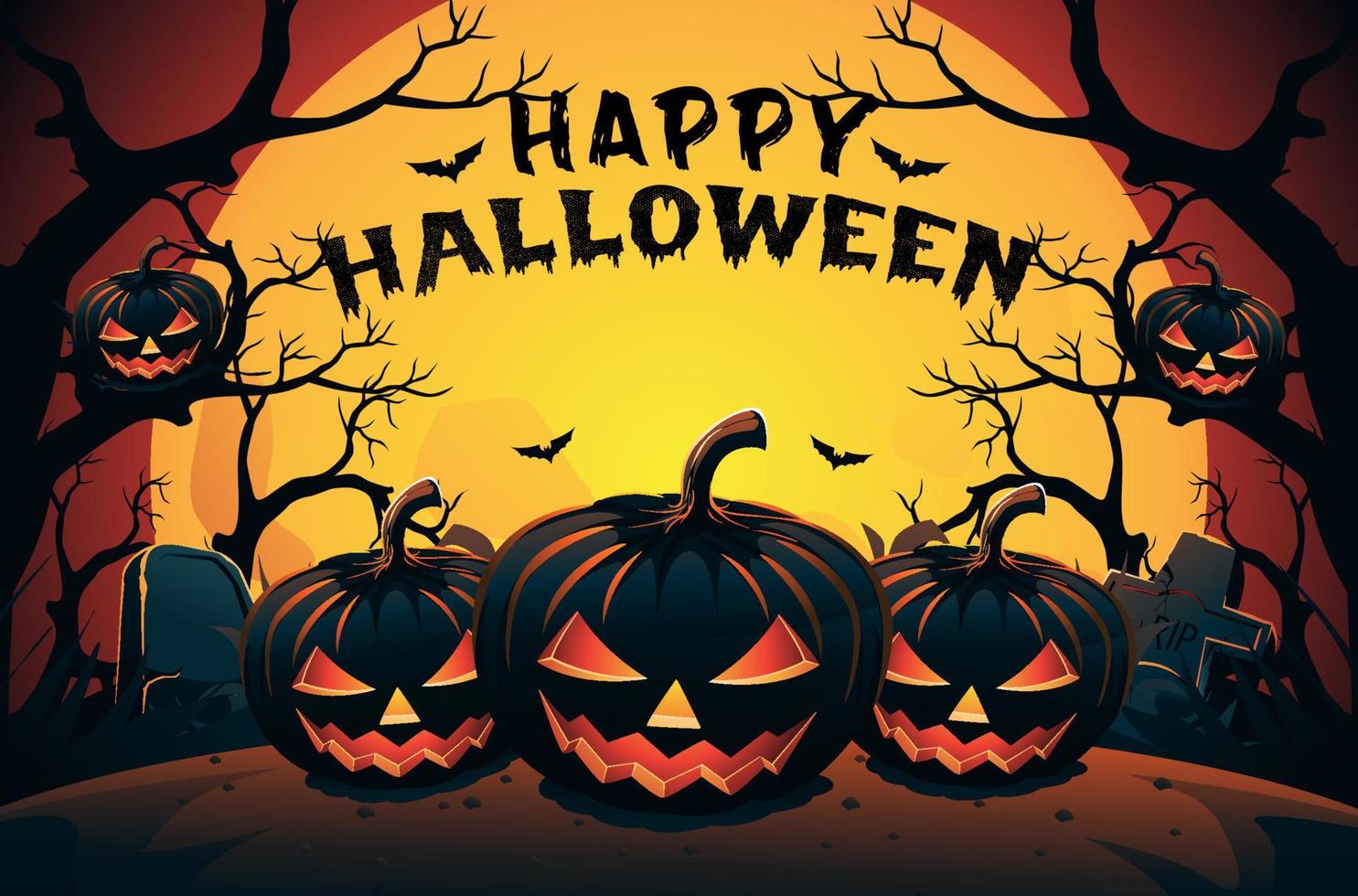
Halloween is an annual cultural celebration taking place at the end of October. Its modern form blends ancient Celtic harvest rituals, Roman observances, Christian traditions, and popular community customs into an evening focused on festive entertainment, costumes, and seasonal treats. While widely celebrated across millions of households through trick-or-treating, costume parties, and pumpkin carving, government offices and commercial businesses maintain standard business hours.
Origins and historical background
Historical roots connect to the ancient Celtic festival of Samhain, celebrated around three thousand years ago across Central and Western Europe. Celts marked their new year on November 1, believing the night before blurred the boundary between the living and the dead. Druids constructed large sacred bonfires, offered sacrifices, and wore animal heads and skins while attempting to predict future events before relighting home hearths.
Following the Roman expansion around A.D. 43, Roman commemorations such as Feralia and the festival honoring Pomona merged with Celtic customs. Pomona's symbol, the apple, heavily influenced the traditional practice of bobbing for apples. In the eighth century, Pope Gregory III designated November 1 to honor all saints, leading to the preceding night becoming known as All Hallows' Eve, which begins the Christian observance of Allhallowtide.
Evolution in North America
Nineteenth-century Irish and Scottish immigrants brought medieval customs such as souling and guising across the Atlantic. Souling involved walking door to door requesting soul cakes in exchange for prayers, while guising featured participants performing tricks in disguise for food or treats. These practices gradually transformed into modern trick-or-treating, which grew rapidly after the 1930s and became firmly established by the 1950s.
Immigrants also introduced jack-o'-lanterns by adapting traditional European turnip lanterns to native American pumpkins, which proved easier to carve. Commercial aspects began to emerge in the early 1900s through printed postcards and paper decorations, followed by commercially manufactured costumes in the 1930s. The holiday also inspired charitable programs, such as Trick-or-Treat for UNICEF, launched in 1950.
Modern customs and events
Festive activities include neighborhood trick-or-treating alongside trunk-or-treating, an alternative introduced in the 1990s where families distribute candy from decorated vehicle trunks. Regional variations also exist, such as Des Moines, Iowa, where children participate in Beggars' Night on October 30 by telling jokes or riddles to receive treats.
Community celebrations across the United States feature major public parades, including the Greenwich Village Halloween Parade in New York City, established in 1974, and the Rutland Halloween Parade in Vermont, founded in 1960. Traditional practices also encompass pumpkin carving contests, costume parties, haunted attractions, and horror movie marathons.
Official status and economic impact
Under Title 5 of the United States Code, federal law establishes public holidays for federal employees, but Halloween is not included on that official listing. Because it is not a federal public holiday, government offices, courts, schools, and private enterprises remain open under standard operating hours.
Despite lacking federal public holiday status, it represents one of the largest consumer spending events annually in the United States, ranking among the top consumer holidays after Christmas. Retail purchases generate billions of dollars across costumes, decorations, and sweets, with roughly one-quarter of all annual national candy sales occurring for the occasion.
Frequently asked questions
- When is Halloween 2027?
- Halloween 2027 falls on Sun, October 31, 2027 at 12:00 AM CDT.
- Is Halloween a federal public holiday in the United States?
- No, Halloween is not an official federal holiday under 5 U.S.C. 6103. Government offices, courts, public services, and private businesses operate on normal schedules.
- What are the historical origins of jack-o'-lanterns?
- Jack-o'-lanterns originated from European customs of carving turnip lanterns. Irish immigrants arriving in North America adapted the tradition by carving native pumpkins, which were softer and easier to design.
- What is Beggars' Night?
- Beggars' Night is a regional tradition observed in communities such as Des Moines, Iowa, on October 30. Children go door-to-door sharing jokes or riddles in exchange for candy prior to Halloween night.
- What proportion of US candy sales occur for Halloween?
- According to historical trade data, approximately one-quarter of all candy sold annually in the United States is purchased for Halloween.
- What time does Halloween 2027 release in my timezone?
- The countdown on this page converts Halloween 2027 to your local time automatically, so the clock always reflects your own timezone.
Last updated: 11/14/2026