Total Solar Eclipse Released
Wed, August 12, 2026 at 5:45 PM UTC
Details
- Location
- Greenland, Iceland, Spain, Russia
Release information
Live video coverage will be streamed globally across official agency platforms, including ESA Web TV and official YouTube channels, with broadcasts beginning at 19:30 CEST (17:30 UTC).
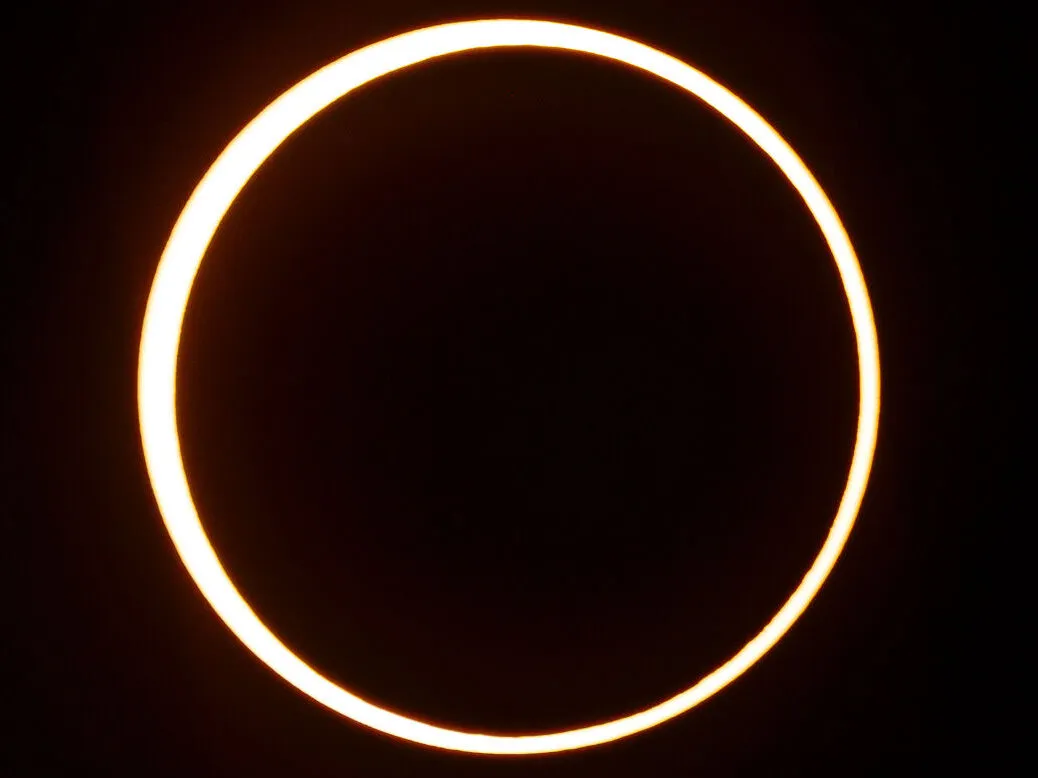
A total solar eclipse is an astronomical phenomenon where the Moon passes directly between Earth and the Sun, temporarily blocking direct sunlight along a narrow shadow track. Spectators inside the path of totality experience dark daytime conditions, revealing the solar atmosphere and bright stars, while surrounding regions witness a partial eclipse.
What we know
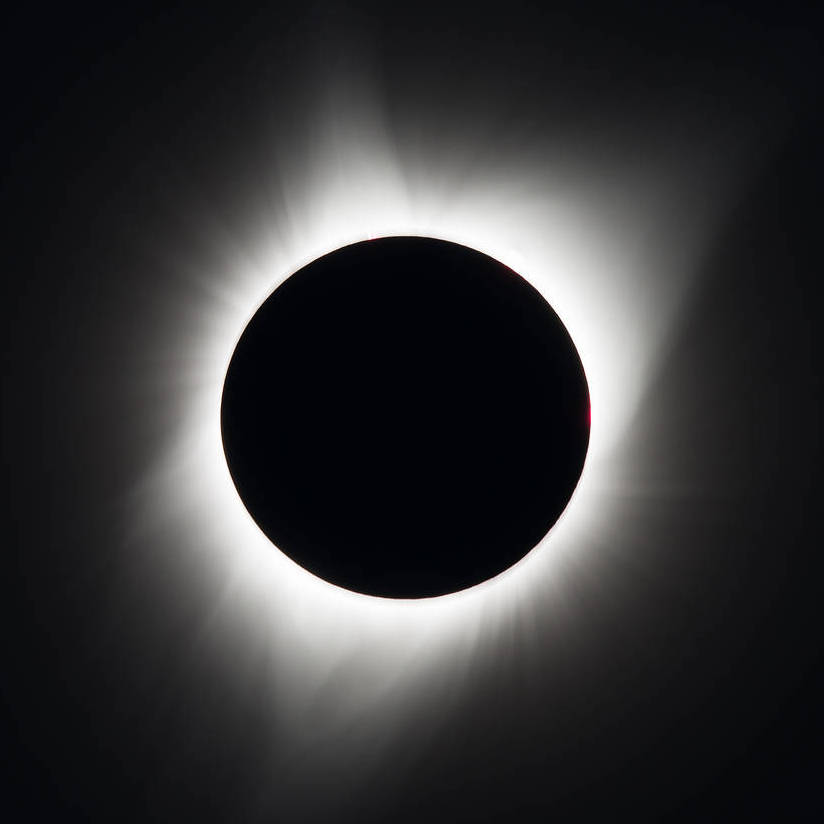
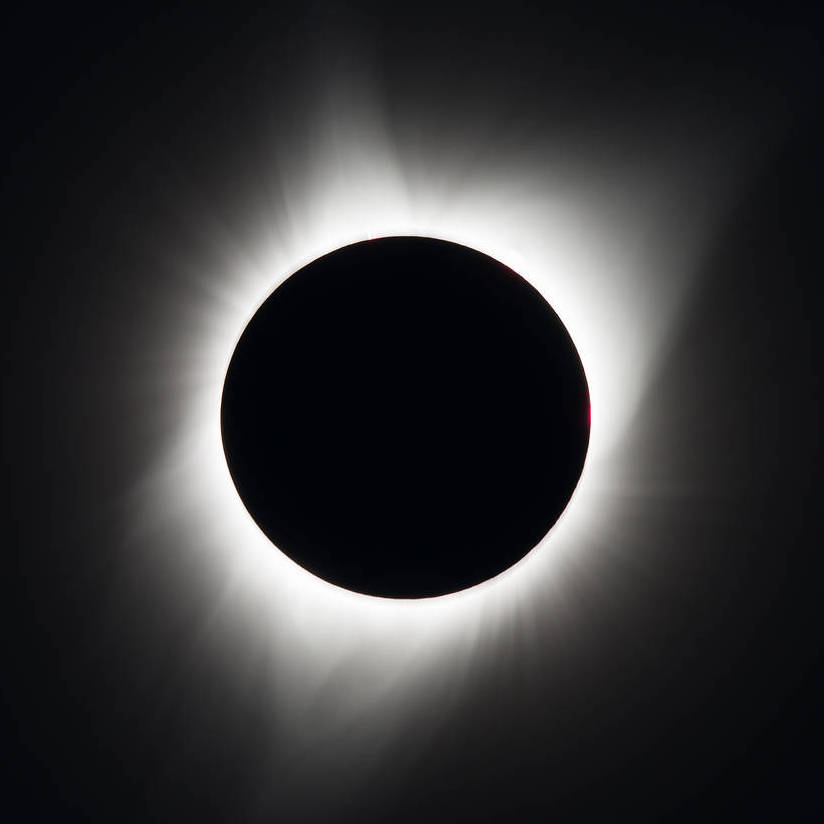
A total solar eclipse occurs when the Moon passes directly between Earth and the Sun, completely blocking direct sunlight along a designated shadow track. During this celestial alignment, the bright solar disc is covered, exposing the delicate outer atmosphere known as the corona.
The sudden loss of direct sunlight brings noticeable physical and atmospheric shifts to the terrain below. Ambient temperatures fall, wind patterns change, and daytime stars or planets become visible. Animals such as birds and insects often alter their behavior in response to the unexpected darkness.
Observation and research hubs
Astronomical facilities inside the viewing path will actively observe and study the phenomenon. The Observatorio Astrofisico de Javalambre in Teruel serves as a key operational hub, utilizing two professional telescopes usually dedicated to surveying galaxies, dark energy, and cosmic structures.
The site was selected for its high probability of clear weather, low light pollution, and open view toward the western horizon. Auxiliary telescopes will also be positioned at the facility to maintain continuous high resolution feeds as the Moon transitions across the solar surface.
Broadcasts and livestreams
Major space organizations are coordinating live coverage to broadcast the event to a global audience. The European Space Agency will host an official presentation anchored by space scientist Dame Dr Maggie Aderin alongside ESA Director of Science Professor Carole Mundell, observatory director Javier Cenarro, and agency researchers.
Running from 19:30 to 20:45 CEST, the English language ESA livestream will cover solar physics, historical gravity discoveries, and artificial satellite eclipses. Public interaction is integrated into the broadcast, allowing audience members to submit questions using designated social tags. NASA will also stream multi camera feeds across different points in the eclipse path.
Regional visibility and timing
Outside the core path where totality takes place, a partial eclipse will be visible across much of Europe and portions of North America. In partial zones, the Moon appears to take a chunk out of the solar disc, resulting in a mild reduction of daylight.
The shadow path starts over maritime and island regions before making landfall. Totality begins over western areas at 17:45 UTC (1:45 p.m. EDT) before progressing toward continental locations at 18:28 UTC (2:28 p.m. EDT). Visibility of totality also touches a small section of northeastern Portugal and extends into the Atlantic Ocean.
Scientific context and orbital studies
Eclipses provide critical scientific opportunities for solar and atmospheric research. Scientists use the brief block of intense daylight to gather data on the solar corona that is normally obscured by the Sun's bright surface.
Educational segments during official coverage will detail how orbiting spacecraft generate artificial eclipses using coronagraphs. These instruments block direct light in space, enabling continuous solar atmospheric studies without waiting for natural planetary alignments.
Frequently asked questions
- When is Total Solar Eclipse?
- Total Solar Eclipse will occur on Wed, August 12, 2026 at 5:45 PM UTC.
- How long will totality last at the Observatorio Astrofísico de Javalambre?
- Totality at the Javalambre observatory is scheduled to last for 1 minute and 21 seconds, taking place at 20:31 CEST.
- How can viewers submit questions to scientists during the broadcast?
- Questions can be submitted to ESA experts on Bluesky or X using the hashtag #AskESA for a chance to be answered live on air.
- Is the total solar eclipse visible in Portugal?
- A small area of northeastern Portugal falls within the path of totality, while surrounding areas will experience a partial eclipse.
- Who will present the official European Space Agency live broadcast?
- The broadcast will be hosted in English by space scientist Dame Dr Maggie Aderin, featuring appearances by ESA Director of Science Professor Carole Mundell and observatory director Javier Cenarro.
- What time does Total Solar Eclipse 2026 release in my timezone?
- The countdown on this page converts Total Solar Eclipse 2026 to your local time automatically, so the clock always reflects your own timezone.
Last updated: 11/14/2026